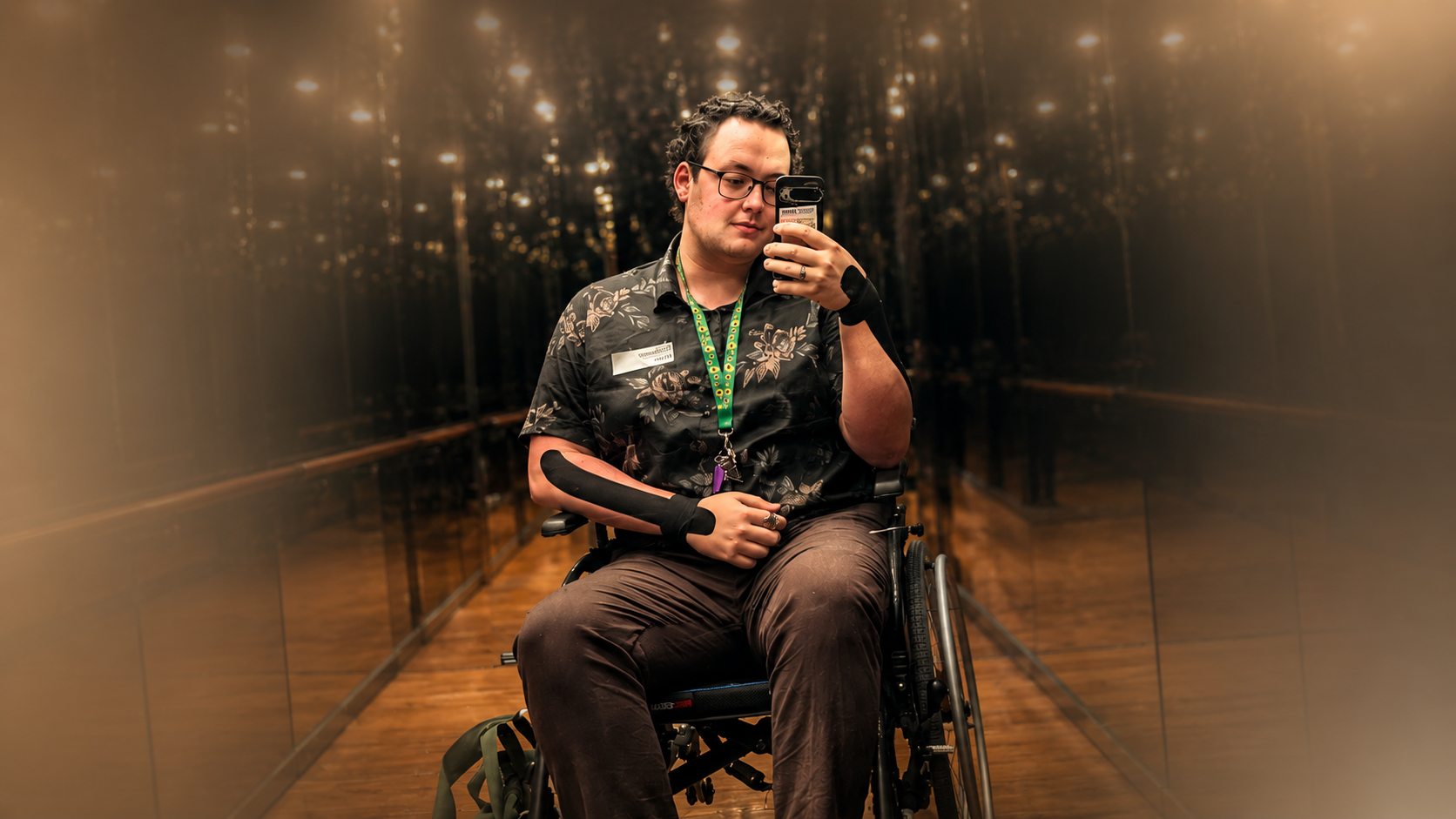
Here are the key things for you to know:
- Find the right workplace-It isn’t always going to be the one you were in before your stroke
- Don’t be afraid to ask for support - Most of the time your workplace will want to help where they can, and you improve accessibility for everyone at the same time
- Most applications used by workplaces now have accessibility adjustments built in - Ask your employer if there is training available to use these.
- You will probably be expected to be an expert on disability - There are lots of resources you can share with your workplace, like the Stroke Foundation website, the Hidden Disability Sunflower website, and the Australian Disability Network website, which they can use to learn instead of you having to teach them.
In the mood for a longer read? This is what my experience showed me:
Having a stroke as a young person can be a life-altering experience; you are meant to be in the prime of your life, ready to take on the world and the workplace! I had my first stroke in my final year of high school, right before I was meant to go off to university and start my studying journey; unfortunately, that didn’t happen. I couldn’t work my brain in the way I needed to fit into the structure of university, so I tried out the workforce instead.
I found my comfort in the hospitality industry, somewhere that I could use to my benefit to interact with people and work on my speech and capacities after my body was ready to get back into physical work, but that is where I had another stroke after getting into that rhythm. Two months into a job, I had 4 months off for rehabilitation – not quite the impression I was going for at a new workplace. Thankfully, where I was working was happy to wait for me to come back and reintroduce me after my rehab. But once I was back, I didn’t have the same level of physicality and speed as prior to the second stroke, which caused concern for my employer. After trying and not succeeding to find the right balance and accommodations with them, I had to leave to find a workplace that would work for me.
Now I work in a mostly office-based job. I have been able to experience and work with them collaboratively to find what a workplace giving you reasonable accommodations can actually do.
Was there a learning process? Yes, for both me and my workplace.
Did we always get it right? No. Though most of the time it was because I didn’t know how to ask for what support I really needed.
It can be hard as both a young person and a person with a mostly invisible disability to ask for assistance, especially at work. I find a lot of this is the internal “I should be able to do this” or “Other people my age or other coworkers can do this without support” or “I don’t want to draw attention to my disability." Those are things I still battle with every time I ask for support or an accommodation at work, but it is worth putting in the work to ask. You can also ask your workplace about what support services are already built into the workplace, as there may be baseline supports they already have set up.
I am not going to lie, though; it isn’t easy being a young stroke survivor in the workplace. You will need to advocate for yourself; a lot of the time you will be expected to know EVERYTHING about disability and educate coworkers and managers on how to work with someone who has a disability, and if you look mostly able-bodied, you might have to keep reminding them that you do actually need the supports you have asked for. There are a bunch of organisations that have resources specifically for work places and employers that you can use and suggest for them to investigate, like the Stroke Foundation, the Hidden Disability Sunflower, and the Australian Disability Network.
So how do we do it? How do we return to work like nothing has happened? Well, we don’t really. We return knowing that things are different, and it is important for you to be open to learning how to work with your employer, and to feel supported by them and your coworkers to take the time and do the work needed to figure that out. It is very helpful to talk with your doctors during your rehabilitation about how you can return to work as well – if you are going back into the workplace you were in pre-stroke, your OT or physio may even be able to do a site visit with you to see what initial supports you may need.
It’s important for you to find the right job, the right people, and the right accommodations for you to succeed in a role, but that’s okay. Annoying and frustrating, yes, but know that you will find the right surroundings to feel confident.