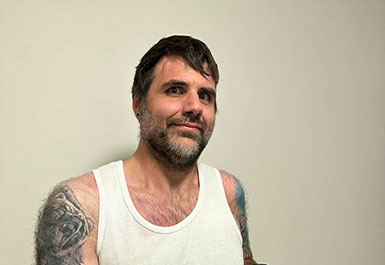
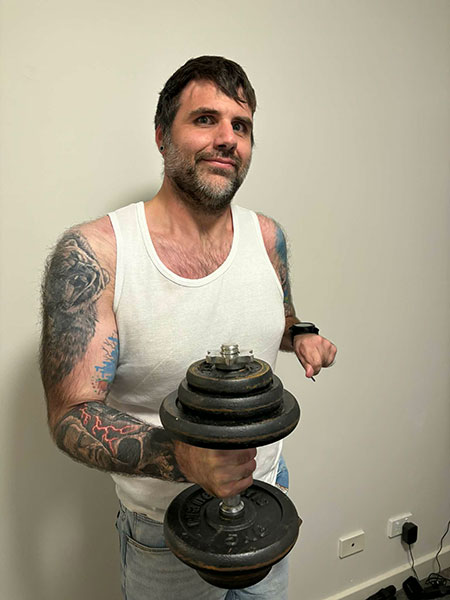
My name is Cameron Suhr. I am in my 30s, I had my stroke when I was two-and-a-half years old, which resulted in left‑sided hemiplegia. This has shaped much of my life, but it has also taught me resilience, patience, and the importance of perseverance. I grew up on the Mornington Peninsula and attended a mainstream private school. Growing up, I was always aware that I was a little different, but like many young people, I just wanted to be included and feel like I belonged.
Today, I live in southeast Melbourne and enjoy the simple things in life: spending time with my girlfriend, catching up over coffee, and staying active.
At the beginning of my sporting journey, I remember sitting at home watching TV with my parents. I think we were watching the Olympics at the time. As I watched the athletes compete, I felt inspired. I shared with my parents my desire to get into sport, not necessarily to compete at the highest level, but because I felt that doing any kind of sport would be a great way to experience inclusion. When I was at school, I often felt left out. There were times when it felt like people viewed me only through the lens of my disability, rather than seeing me as a whole person.
As I got older, I began to notice a shift in my friendship groups. Some people didn’t want to spend time with me anymore, and that was difficult. Feeling excluded affected my confidence and self‑esteem. I believed that sport could help change that, it could give me a place where difference was accepted, and effort mattered more than how you looked or moved.
I started athletics when I was around 10 or 11 years old. I competed in javelin, shot put, and discus. This marked the beginning of my athletics pathway, and it quickly became a very important part of my life. Little Athletics was an incredibly positive experience for me. It was a space where I felt genuinely included, especially as someone with a disability. I felt like I was truly part of the group, not singled out or treated differently. The environment was supportive, encouraging, and welcoming, and that made a huge difference to my confidence.
During my time in Little Athletics, my parents found me a coach who believed in my potential and supported my development. With that support, I went on to compete in junior national competitions. Those experiences helped me understand what I was capable of and gave me a sense of achievement that carried into other areas of my life.
One of the biggest benefits I noticed from doing sport was how much it helped strengthen my weaker side. Exercising my affected side improved my walking and made daily tasks easier. It also helped me feel more balanced and confident in my body. Sport wasn’t just about competition; it was therapy, rehabilitation, and confidence‑building all rolled into one.
After I aged out of Little Athletics, I wanted to continue being active and started exploring other options. I joined a gym and quickly realised how important it was to make sport and exercise a permanent part of my life. With left‑sided weakness, regular exercise is essential. If I don’t move enough, my muscles stiffen, and walking becomes much harder than it needs to be. I noticed that consistent exercise significantly reduced my risk of falling and helped me maintain my independence.
Exercise has also had a powerful impact on my mental health. Staying active has helped me manage stress, frustration, and the emotional challenges that come with life after stroke. Maintaining a good quality of life is really important to me, and exercise plays a key role in that.
Through my gym, I discovered boxing. Initially, I used boxing as a way to let off steam and release frustration. Over time, it became much more than that – it became a coping tool. When I learned that I would not be able to drive, it hit me hard as well as many other changes I faced post stroke . Boxing gave me a positive outlet to work through that frustration and process the grief that comes with losing certain freedoms post‑stroke. My gym routine as a whole helped me work through emotions and challenges that I may not have known how to manage otherwise.
Exploring different sports has given me a strong sense of inclusion and helped rebuild my self‑esteem. Along the way, I have made friendships outside of school, which has been incredibly important to me. These connections have added so much value to my life and made me realise how powerful sport can be when it comes to building community.
If I were to give advice to anyone post‑stroke, it would be this: don’t be afraid to give anything a go. Falling isn’t failing unless you learn nothing from it. Throughout my athletics journey, I often had to do things differently from others. Finding what worked for me sometimes took time, but persistence made all the difference. Keeping at it, trying new approaches, and not giving up helped me grow both physically and mentally.
Never be afraid to ask questions even if you think it might be a bit silly. You never know what advice someone might offer, or what new perspective you might gain from this. Support can come from unexpected places, and sometimes a simple conversation can change the way you see things.
Today, I continue to maintain my weight training and gym work at least once a week, and I make walking part of my daily routine. This ongoing commitment helps me manage my hemiplegia, reduce pain, maintain mobility, and support my mental health. Sport and movement continue to be a vital part of my life, not just for my physical wellbeing, but for my confidence, independence, and sense of belonging.