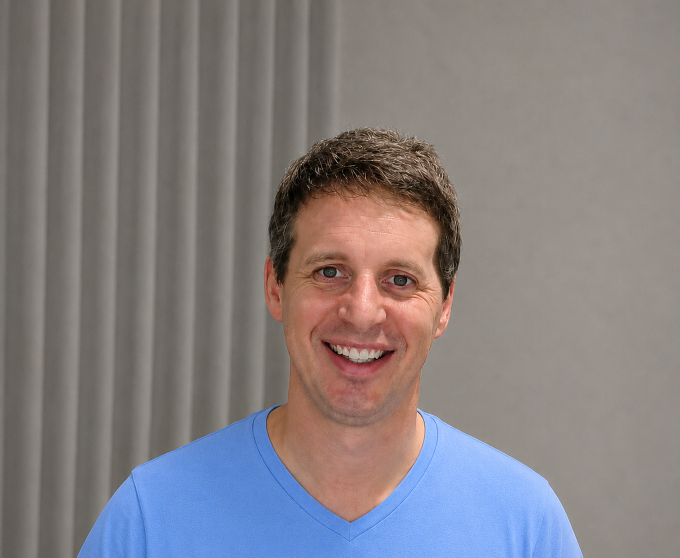
I always enjoy meeting new people, and so I readily went around introducing myself. But there was a moment where I overheard a pair of individuals commenting that it was the third time, I had introduced myself to them.
This immediately crushed my spirits and led to me retreating into a shell. Memory used to be a strength of mine, but the failure to recall what had occurred just 20 minutes ago hit me like a ton of bricks. It was immediately deflating and depressing at the same time.
Navigating life post-stroke was a challenge. The previous seven years of my life had left my consciousness, and I thought I was back at school. I would even tell my parents that I had homework tasks I needed to complete.
This was a huge problem that needed to be dealt with as I was working at one of the Big 4 accounting firms in the city prior to my stroke. It also led to me being further isolated from my friends in various social activities. If ever the group was heading out for an event or catch-up, somebody had to be assigned to me to ensure I didn't wander off or become disorientated with where I was or what was happening.
In addition to this, there is then the impact in the workplace. I now require written instructions, as verbal is effective, but 5 minutes post receiving them, they have left my mind.
It is both debilitating and frustrating when in a workplace that has been informed of these things but fails to communicate in the recommended manner. This then leads to failure to complete the work task, which reflects poorly on both yourself and the management who assigned you the task. A negative spiral can begin from there.
Given the failure of my memory, I required a timetable to be printed every week. This timetable dictated my appointments, social schedule, and daily tasks. At the end of each day there was a box to tick that would dictate completion of that day. This enabled me to be aware of what day and time of the week it was.
As things improved, I eventually started using my phone's calendar or, as I like to refer to it, my bible. It features an hour-by-hour rundown of each day and all my commitments. The events are synchronised with my Google calendar so I can view, alter, and edit the events on my PC, which is often easier to edit or create events on.
Within these events you can enter large amounts of text, so I use this to record notes or guide myself.
For example, every weekday morning I have an event titled PTV to work. This event details the time I need to be at the bus stop, which stop to disembark at, and the directions I need to walk to reach the office.
Within my repeating work sessions I detail my desk number and my locker number, and the event contains information about the jobs I am working on and what I need to do to move forward.
The calendar event also details the stage I am at in the various work tasks. This is critical, as going from day to day I can lose track of where I am up to or what needs to happen next on a certain job. Work colleagues are there to show you how to complete a job, but they then expect independence.
The calendar also details my social commitments. If I am heading out on the weekend or have an event coming, I can set reminders, so I won't forget the coming event. You are also able to enter the address in events, which makes it easier to work out where you belong and how long it will take to get there.
I also use an application titled 'Moovit' on my phone while travelling from A to B on public transport. It is terrific because it tracks your journey stop by stop, so you know when to push the buzzer on the bus or tram, or when to disembark the train.
Beyond these tricks and tools, the most important thing is planning. Never overcommit yourself to multiple events on the same day, as the body simply can't manage. You need to look after yourself!
As a result, I needed those who are closest to me to just be by my side. I was extremely fortunate in that my friend I've had since I was five years old really stood up and was there for me. I also had an incredibly supportive family, and particularly my brother, whom I am extremely grateful to.
I have learned through trial and error what works best for me in the workplace. For my future employment, I now have prepared documents detailing the supports I require to succeed in employment.
In all honesty, I don't think there is any awareness about post-stroke memory issues in the public today. I must admit that I had no knowledge of that either before I had my stroke.
People in society are normally willing to help if you have any questions or need directions to a certain location. I have taken extra steps and ensured that I am wearing a low-vision badge. The badge does help and provides a level of understanding to most in the public. I also meticulously plan my journey before embarking on travel.
But I think one thing I learnt in particular from my time working in the city, would be that it would make the world a far better place if everyone showed a bit more compassion when it comes to others.
Lachlan