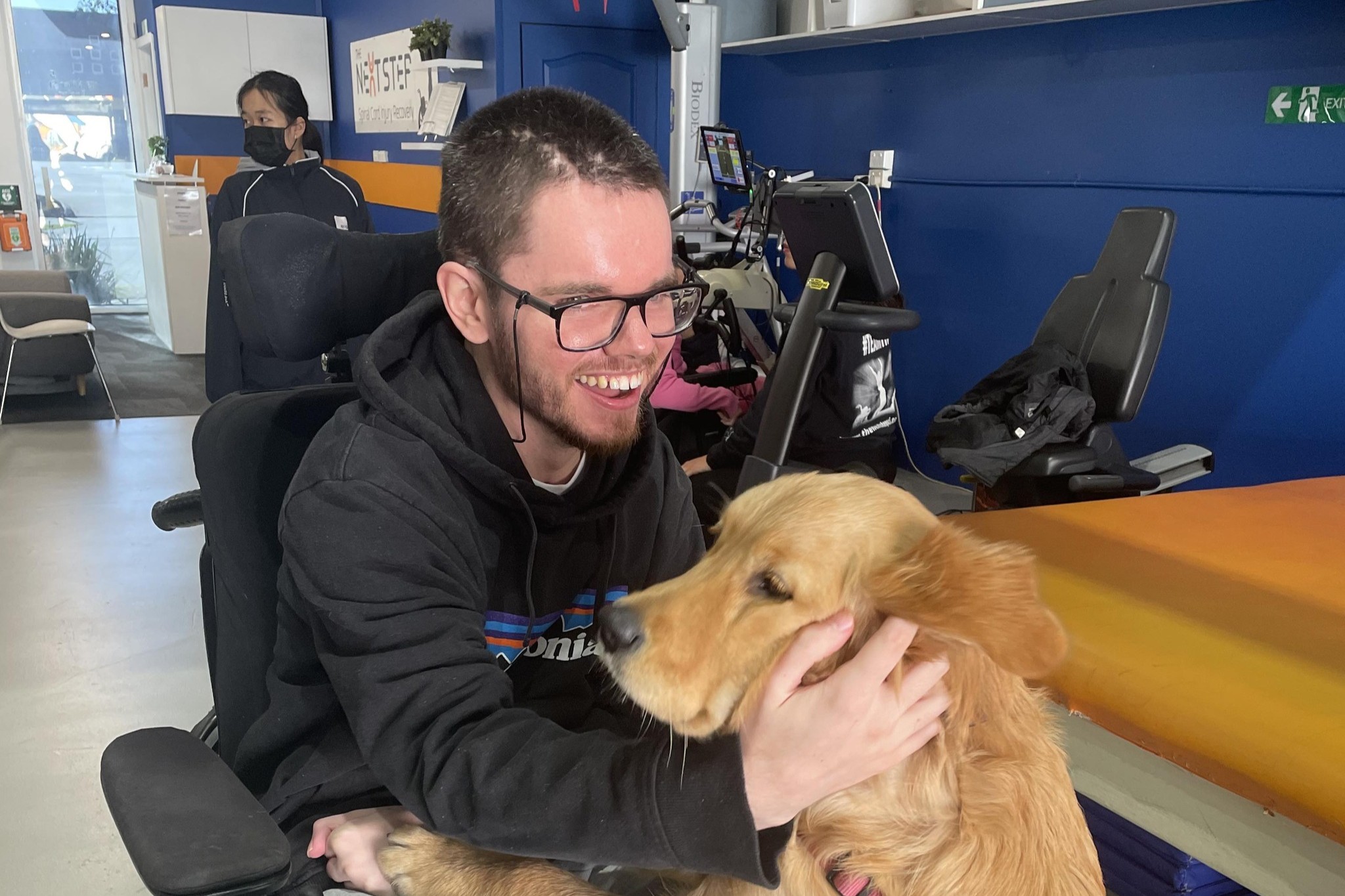
I’m James. I might’ve had a whopping three strokes during brain surgery in 2020, but I’m so much more than just that. I refuse to let my injury define me; instead, I’m trying to live a not-so-typical life and use this second chance as best as I can. I live life to the fullest and have dreams of becoming a disability advocate and public speaker.
But a stroke changes your life in ways you never expect. For me, it wasn’t just the physical stuff like fatigue, mobility, communication, it was the way the world around me shifted. Suddenly people weren’t sure how to act, what to say, or how to show up. And in the middle of all that, I was still me. Same humour, same loyalty, same love for my mates, just navigating life a bit differently now.
One of the biggest things I noticed after my stroke was how unsure people became. It’s like they were walking on eggshells, worried they might say the wrong thing or push me too hard. I get it; seeing someone go through a major life change can be confronting. But sometimes it felt like people forgot that underneath everything, I’m still the same person.
Yes, some things in my life need tweaking now. Yes, I might need more time, more planning, or a different way of doing things. But my personality didn’t vanish. My sense of humour didn’t disappear. My need for connection didn’t change.
That’s why I appreciate my closest mate so much. He’s known me before and after the stroke, and he doesn’t treat me like I’m fragile or made of glass. He knows I’m still me – he just adapts where needed without making a big deal out of it. There’s no bubble wrap, no awkwardness, and no alien treatment. We just hang out, talk rubbish, laugh, and be mates. That normality means more than he probably realises.
One of the hardest parts of recovery is the unpredictability. Fatigue hits out of nowhere. Mobility issues slow things down. Sometimes plans fall apart even when you’ve done everything right. And that can make you feel guilty, like you’re letting people down.
But the truth is, if something is out of your control, it’s out of your control.
What matters is the effort, the intention to show up, the message saying you tried, and the willingness to reschedule. Friendship isn’t about perfect attendance; it’s about consistency and care.
At the same time, it’s tough watching your mates move forward, new jobs, new careers, new milestones, while you feel stuck in place. It’s a weird mix of being proud of them and frustrated with your own situation. But I’ve learned that even if our goals look different now, we can still celebrate each other’s wins. Showing up for each other, wherever we’re at, is what keeps a friendship alive.
Relationships take effort on both sides. Stroke or no stroke, that part hasn’t changed.
Fatigue is real, and mobility challenges are real. Being a wheelchair user adds layers of planning to even the simplest outing. Before going anywhere, I have to check accessibility, think about transport, and make sure I won’t get stuck because of a 30‑centimetre lip or step. It’s frustrating when something so small becomes a massive barrier.
These challenges don’t make me less social; they just mean I need a bit more preparation. And having mates who understand that, who don’t get annoyed or impatient, makes all the difference.
Friendship doesn’t have to be big, dramatic, or time-consuming. In fact, micro catch-ups have become my favourite thing. An hour for coffee. A quick walk to the dog park. A chill hangout on the couch. A short chat and a laugh.
These small moments keep me feeling connected without draining my energy.
And honestly, sometimes the smallest gestures mean the most. A quick message. A check-in. A “thinking of you.” After my stroke, I learned who my real mates were – the ones who didn’t disappear, who didn’t take weeks to reply, and who didn’t fade out when things got hard.
Flexibility and understanding go a long way. If mates can read the play, notice when I’m tired, adapt plans, or just roll with whatever the day looks like, it makes everything easier.
Friendship after a stroke looks different, but it’s not worse. In some ways, it’s clearer. I know who’s in my corner. I know who sees me not the wheelchair, not the fatigue, not the challenges but me.
I’ve learned that connection doesn’t rely on perfect circumstances. It relies on effort, understanding, and showing up in whatever way you can.
And at the end of the day, that’s all any of us really want: to feel seen.